Why Enriched Onchain Data Is Now a UX Problem, Not Just an Infra Problem
The best crypto products today are winning on user experience, not just listings and incentives.
At the center of that UX shift is enriched onchain data—clean, fast, trading‑grade information about tokens, wallets, and prediction markets that goes far beyond raw chain reads.
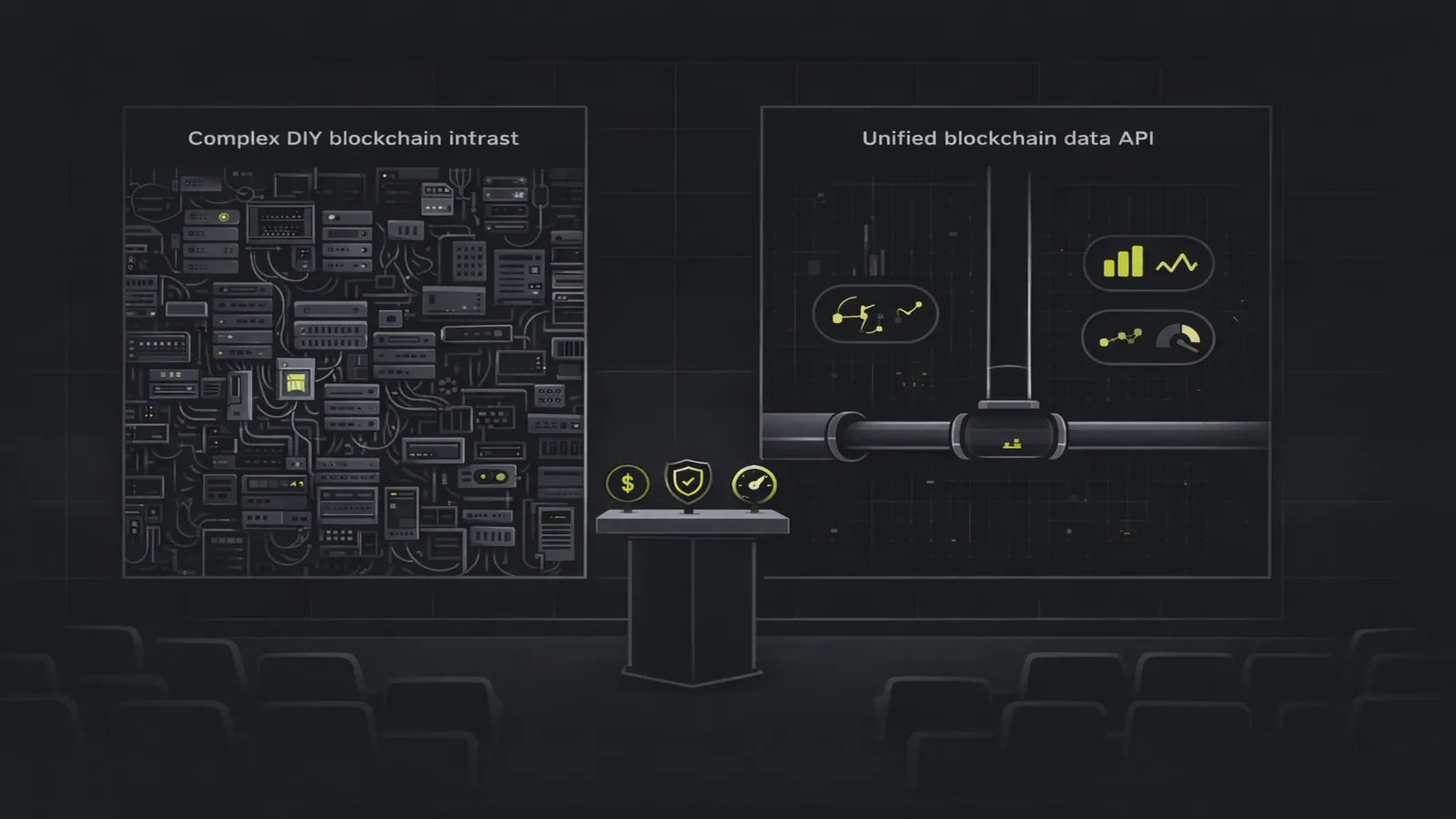
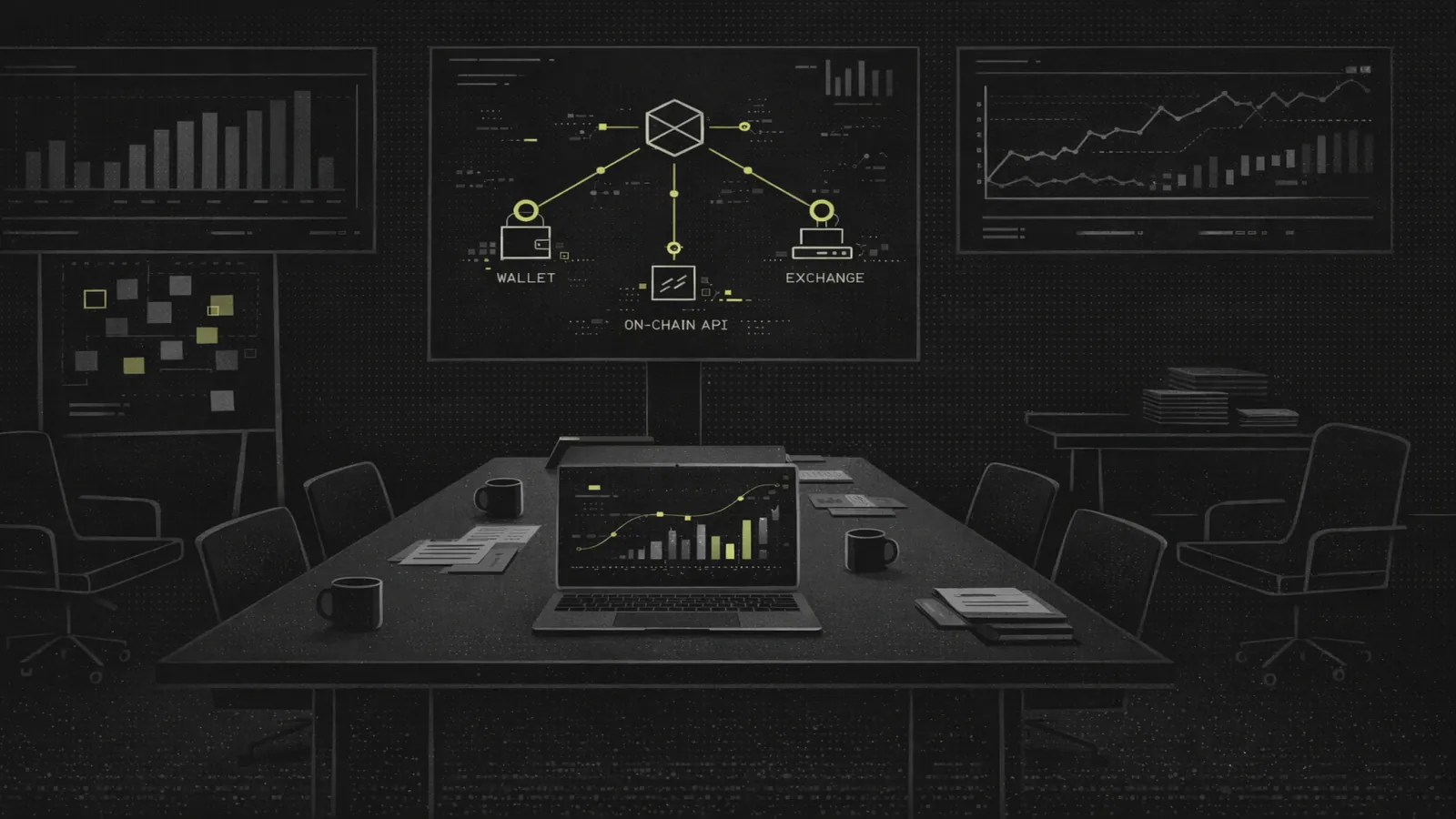
Codex sits behind many of those products as the fastest and most reliable onchain data API for trading apps, wallets, and analytics tools.
With coverage across 70M+ tokens, 80+ networks, and 700M+ wallets (codex.io), Codex provides the unified data layer that lets teams ship polished UX without building their own indexers and ETL pipelines.
This article breaks down how leading wallets, exchanges, and analytics tools use enriched data from Codex to:
- Improve chart and pricing UX
- Turn wallets into full financial dashboards
- Ship discovery surfaces and spam protection
- Add prediction market features with trading‑grade performance
The Pattern: Enriched Data as the UX Engine for Crypto Apps
Across Codex customers, a clear pattern emerges:
- Raw blockchain logs are unusable for consumer UX at scale. They’re noisy, fragmented across networks, and missing financial context.
- Product teams need normalized, financial‑grade data. That means prices in USD and native units, chart data, holders, behavior stats, and risk signals.
- Speed and reliability are non‑negotiable. Trading apps and high‑traffic wallets need sub‑second latency and consistent uptime.
Codex’s GraphQL‑style API is built specifically around those needs.
Instead of exposing raw events, Codex provides enriched objects:
token– prices, metadata, risk flags, liquidity, volumefilterTokens– discovery lists with 100+ on‑chain signalswalletChart,detailedWalletStats,holders– balances, PnL, behavior- Prediction markets – events, markets, trades, trader stats
Product and engineering teams plug these into trading views, dashboards, bots, and front‑ends without maintaining their own indexing stack.
Case Study 1: Trading Platforms – From Raw Logs to Financial-Grade Charts
Challenge: Raw Chain Data Breaks Chart UX
Trading apps live and die by their charts.
When on‑chain data comes from multiple providers or unfiltered logs, teams run into:
- Timeouts under load
- Price wicks caused by bots and anomalies
- Inconsistent histories across networks and long‑tail tokens
One major trading platform with 50M+ users moved to Codex after hitting these limits.
They needed:
- A single source of truth for on‑chain token pricing
- Trading‑grade chart data (OHLC, candles, volumes)
- Better performance for high‑traffic chart surfaces
Solution: Consolidating Providers into One Enriched Data Layer
By switching to Codex as their sole on‑chain data provider, the team:
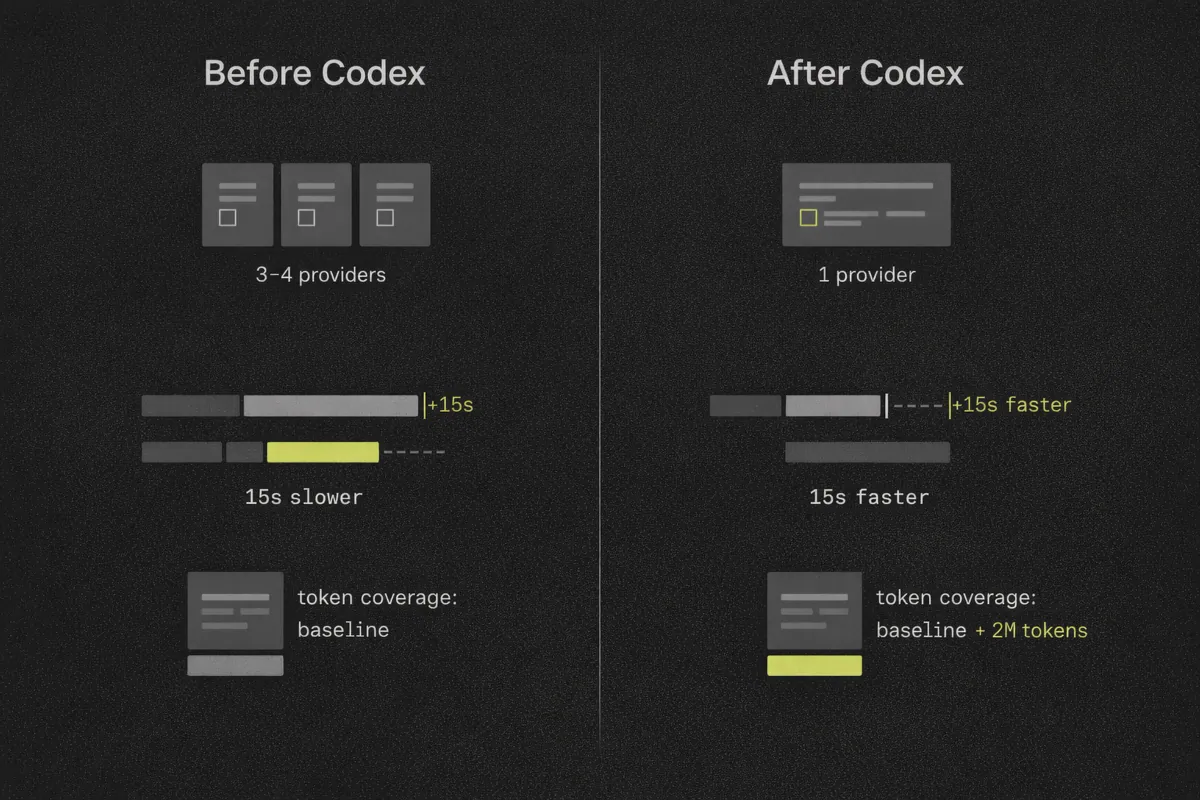
- Consolidated 3–4 legacy providers into one unified API
- Indexed 2M additional tokens via Codex’s long‑tail coverage
- Improved response times by 15 seconds on critical chart flows (codex.io)
Key Codex capabilities they rely on:
- Real‑time and historical price data in USD and native asset
- Trading‑ready chart endpoints (OHLC, candles, volume)
- Liquidity and volume aggregates for market quality assessment
UX Impact: Faster, More Trustworthy Charts
For end users, that infrastructure shift shows up as:
- Charts that load quickly and reliably, even at peak traffic
- Cleaner price histories without spurious wicks
- Immediate coverage of new tokens and networks
For product and engineering teams, it means:
- No custom indexers or chain‑specific ETL pipelines
- One API contract to maintain and scale
- Faster iteration on new instruments and features
Result: trading apps can focus on UX and strategy, not data plumbing.
Case Study 2: Wallets – From Balance Viewers to Full Financial Dashboards
Trend: Wallet UX Is Now Portfolio UX
Wallet adoption has gone mainstream.
- 43% of U.S. respondents reported owning a crypto wallet in 2024 (Consensys).
- Daily unique active wallets averaged 24.6M at the end of 2024 (DappRadar).
Leading wallets now look more like multi‑asset portfolio apps than simple balance viewers.
They expose:
- Price charts and performance
- Market cap and volume
- Supply and ATH data
- Watchlists and price alerts
- Trade history and activity feeds (help.coinbase.com)
Challenge: Turning Raw Balances Into Portfolio Intelligence
To deliver that experience, wallets need to solve several data problems:
- Token metadata – name, symbol, decimals, logos, categories
- Real‑time pricing – for long‑tail tokens across many networks
- Portfolio valuation – total account value across chains and assets
- Scam filtering – hiding spam tokens and flagging risky contracts
Doing this in‑house across 80+ networks and 70M+ tokens is a major engineering and DevOps burden.
Solution: Codex as the Wallet Data Layer
Wallets use Codex’s enriched API to power:
- Portfolio value and charts via
walletChartand price endpoints - Per‑asset analytics – market cap, volume, liquidity, holders
- Token metadata and risk flags from
tokenandfilterTokens - Spam hiding and warnings via Codex’s scam detection fields
For example:
- Consumer wallets are able to automatically hide spam tokens, similar to Rainbow’s UX.
- NFT‑centric platforms show total portfolio value and multi‑chain breakdowns, like Magic Eden’s account view.
- Exchange‑integrated wallets add risk alerts on token pages to guide safer trading.
Codex powers this without the wallet team running their own indexers, RPC nodes, or custom ETL.
UX Impact: Stickier, More Trustworthy Wallets
Enriched onchain data translates into wallet UX wins:
- Users see their true portfolio value across chains in real time.
- Tokens come with context: market data, charts, and risk signals.
- Spam and scams are filtered out by default, reducing confusion.
That drives retention:
- Wallets become the primary place users check performance.
- Better clarity around risk encourages ongoing usage and trading.
Case Study 3: Analytics Tools & Bots – Discovery, Leaderboards, and Behavior
Challenge: Discovery and Behavior Require More Than Balances
Analytics tools and trading bots have to answer deeper questions than “what’s the price?”
They need to surface:
- Trending tokens and new launches across multiple networks
- Wallet behavior analytics – PnL, win rates, holding vs. flipping
- On‑chain social signals – concentration, unique wallets, volume spikes
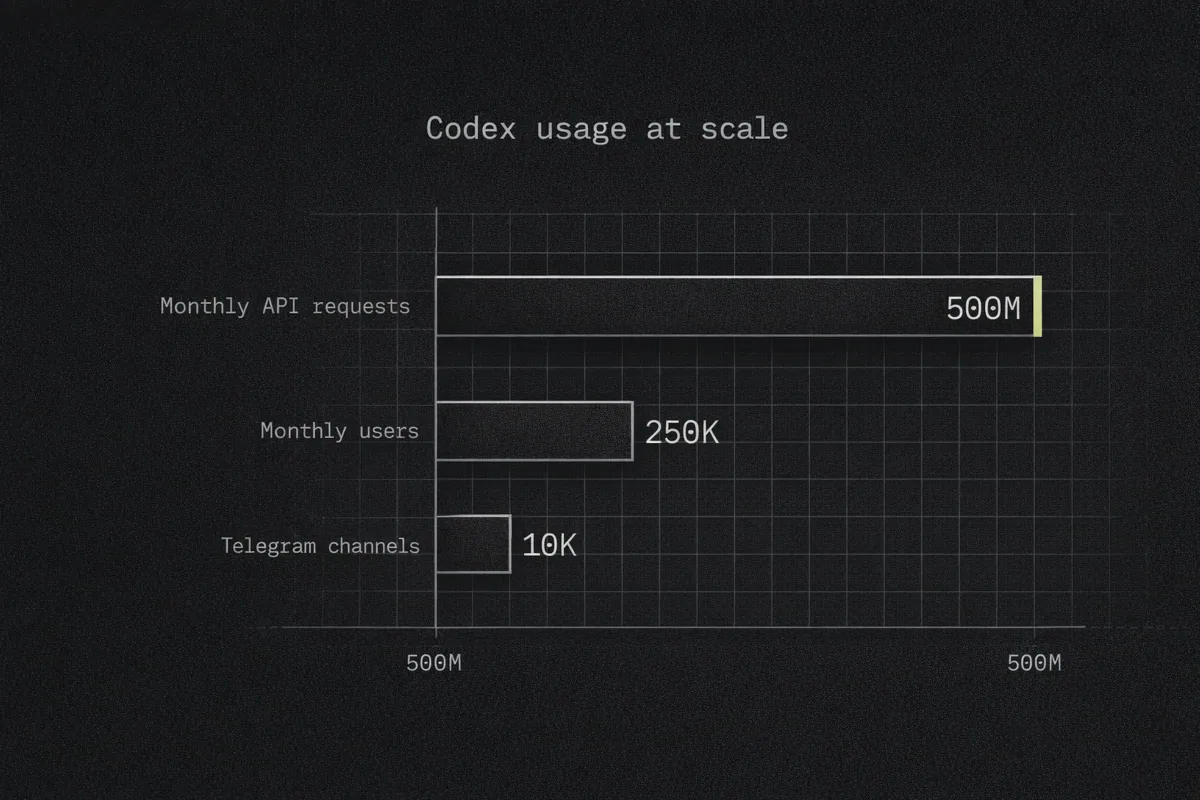
One analytics platform now serving 250K+ users/month and 500M API requests/month depends on fast enriched data to generate:
- Real‑time token dashboards
- Trader leaderboards
- Behavior‑based alerts (codex.io)
Solution: High-Throughput Enriched Data for Discovery and Intelligence
Tools like analytics dashboards and bots use Codex to:
- Build trending lists with
filterTokensand its 100+ on‑chain signals - Track wallet performance via
detailedWalletStatsandwalletChart - Analyze holders and ownership concentration with
holders
As one trading bot product at 100K+ users/month found, Codex replaced 5 separate data providers with a single high‑throughput blockchain data API (codex.io).
UX Impact: Better Discovery and Smarter Alerts
For users, enriched data shows up as:
- High‑quality discovery feeds – tokens ranked by on‑chain activity, liquidity, launches
- Wallet intelligence – PnL charts, win/loss rates, behavior classification
- On‑chain alerts that trigger on meaningful signals rather than raw events
For product teams, Codex’s on‑chain analytics API reduces:
- Time to ship new discovery and leaderboard features
- Complexity from stitching multiple analytics providers together
Case Study 4: Prediction Markets – Financial-Grade Data for a New Vertical
Market Growth: Prediction Markets Are Becoming Trading Surfaces
Prediction markets have moved from niche to meaningful volume:
- Sector grew 565.4% in Q3 2024 (CoinGecko).
- Combined Kalshi and Polymarket volume exceeded $40B in 2025, up from roughly $9B in 2024 (KPMG).
Front‑ends for these platforms need data similar to trading apps:
- Market discovery and categorization
- Real‑time prices and implied probabilities
- User and trader analytics (leaderboards, activity)
Solution: Codex Prediction Market API for Front-End UX
Codex’s prediction market API (currently in beta) provides:
filterPredictionEvents– discover events by category, volume, activityfilterPredictionMarkets– markets with prices, liquidity, volume- Trader analytics – stats and leaderboards for top accounts
Front‑ends can:
- Build event discovery pages with relevance and trending scores
- Show market‑level charts for prices and volumes
- Surface trader performance to power social trading features
UX Impact: Trading-Grade Interfaces for Prediction Markets
Instead of building custom scrapers and indexers per platform, teams plug into Codex’s unified schema.
Users get:
- Faster, more reliable market pages
- Clearer pricing and probability charts
- Richer trader context and reputation signals
Teams get:
- A best prediction market API designed for real‑time UX
- One on‑chain data provider that covers tokens and prediction markets
Infra Impact: Time, Cost, and Reliability Gains
Beyond UX, there are hard operational benefits from moving to Codex.
Engineering and Infra Savings
A major NFT liquidity protocol reported:
- $50K+ annual AWS savings after consolidating infra
- 60% faster app load times
- 1,000+ developer hours saved on indexing and ETL (codex.io)
Other customers similarly report:
- Fewer custom microservices and indexers
- Lower DevOps overhead across chains
- Faster shipping of new features because data is ready out of the box
Vendor Consolidation and Reliability
Trading‑adjacent products are deeply sensitive to downtime and data quality.
By using Codex as the single onchain data layer, teams:
- Reduce the number of external vendors from several to one
- Simplify incident response and monitoring
- Gain a consistent SLA across tokens, wallets, and prediction markets
For high‑traffic trading apps, that consolidation is as much a UX decision as it is an infra decision.
How Product and Engineering Teams Can Apply These Patterns
If you’re building a wallet, exchange, analytics tool, or prediction market front‑end, here’s how to leverage enriched data effectively.
1. Start With Your Core UX Surfaces
Identify the experiences where data quality and speed matter most:
- Trading views and charts
- Portfolio dashboards
- Discovery feeds and launchpad panels
- Prediction event and market pages
Map which Codex endpoints can power each:
- Charts and trading views → price + OHLC + volume endpoints
- Portfolio dashboards →
walletChart,detailedWalletStats,holders - Discovery feeds →
filterTokenswith scam filtering - Prediction markets →
filterPredictionEvents,filterPredictionMarkets
2. Replace Raw Reads With Enriched Objects
Avoid building UX directly on RPC/node responses.
Instead, use Codex to:
- Get normalized token objects with prices, metadata, and risk signals
- Translate wallet activity into PnL and behavior stats, not just transfers
- Convert prediction market data into charts and probabilities automatically
3. Design UX Around Trust and Clarity
Use enriched data to support:
- Clear risk warnings on token and market pages
- Obvious spam/honeypot hiding by default
- Straightforward portfolio and PnL views
Let Codex handle the complexity underneath:
- Scam filtering using 100+ on‑chain signals
- Automatic updates on each transfer for wallet stats
- Normalization across 80+ networks and long‑tail tokens
4. Iterate Fast, Then Expand Coverage
Most teams start with one high‑impact surface (e.g., price charts in a trading app) and expand over time to:
- Wallet behavior analytics
- Discovery feeds and launchpad dashboards
- Prediction market features
Codex’s single schema and high‑throughput infrastructure make that expansion more about UX design than data engineering.