A modern crypto wallet is no longer “just” a balance viewer.
To compete in 2024 and beyond, wallets need real‑time, multi‑chain portfolio views, deep token metadata, historical activity, and on‑chain signals for discovery and risk.
This entire experience lives or dies on your data layer.
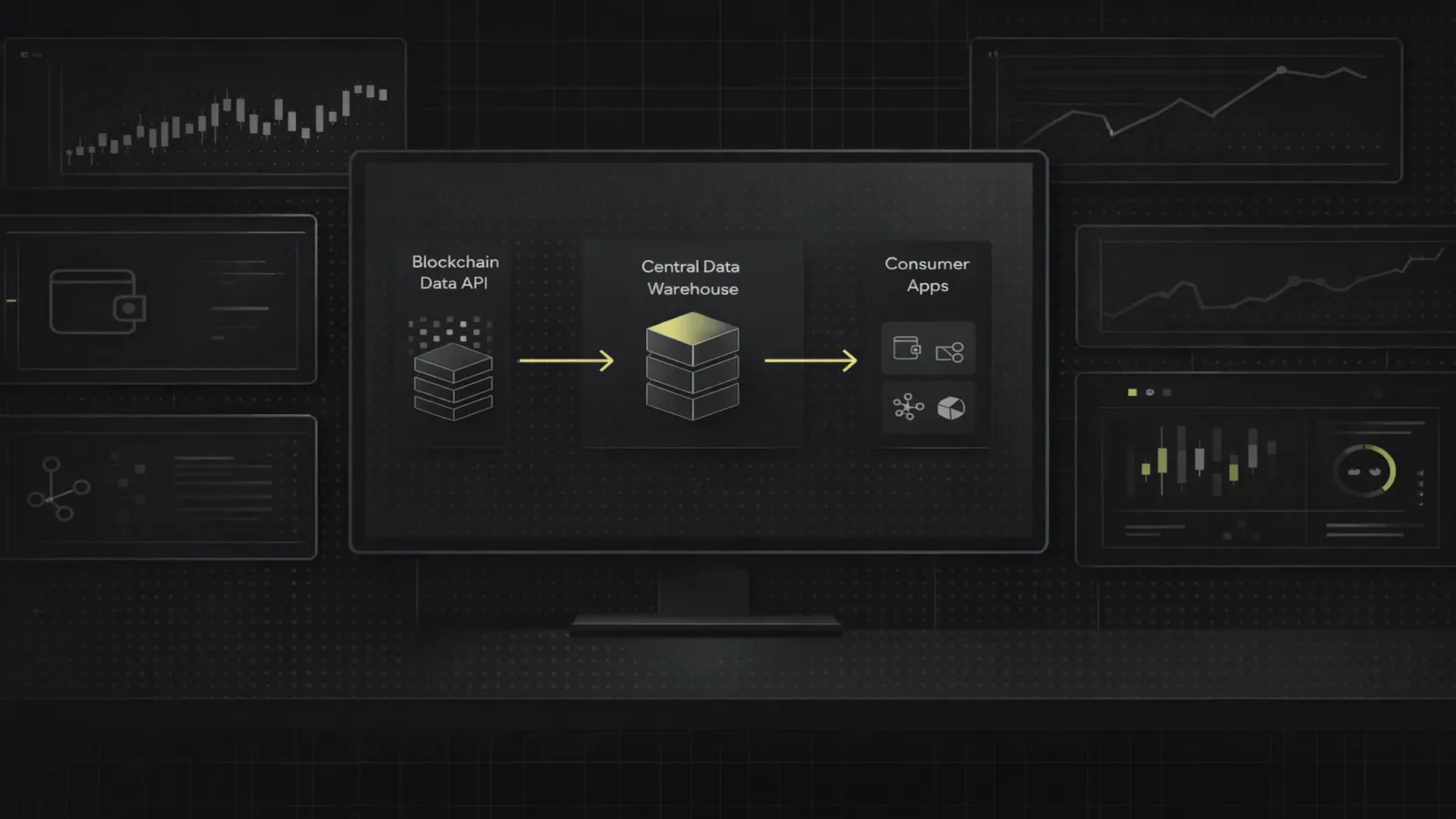
In this guide, we’ll break down everything a next‑gen crypto wallet needs from an on‑chain data API—and show how Codex gives product and engineering teams a single, trading‑grade backend instead of a sprawl of custom indexers.
Why Data Is Now the Core of Wallet UX
Wallet adoption is exploding—and expectations with it.
- Consensys’ 2024 survey found 43% of U.S. respondents own a crypto wallet, rising to 84% in Nigeria and 66% in South Africa.
- DappRadar reported 24.6M daily Unique Active Wallets in 2024, up 485% year over year.
At the same time, on‑chain activity is broader and faster:
- DeFi ended 2024 at $214B in TVL.
- Over 5,138 dapps launched in 2024, up 72% vs. 2023.
Users now expect:
- Instant, accurate balances across many chains
- Clean portfolio charts and PnL
- Trustworthy token info and scam filtering
- Fast discovery of new assets, launchpad tokens, and prediction markets
That’s a data problem first—and an interface problem second.
The Data Stack a Next‑Gen Wallet Actually Needs
A serious wallet or trading app needs far more than “get balance” calls.
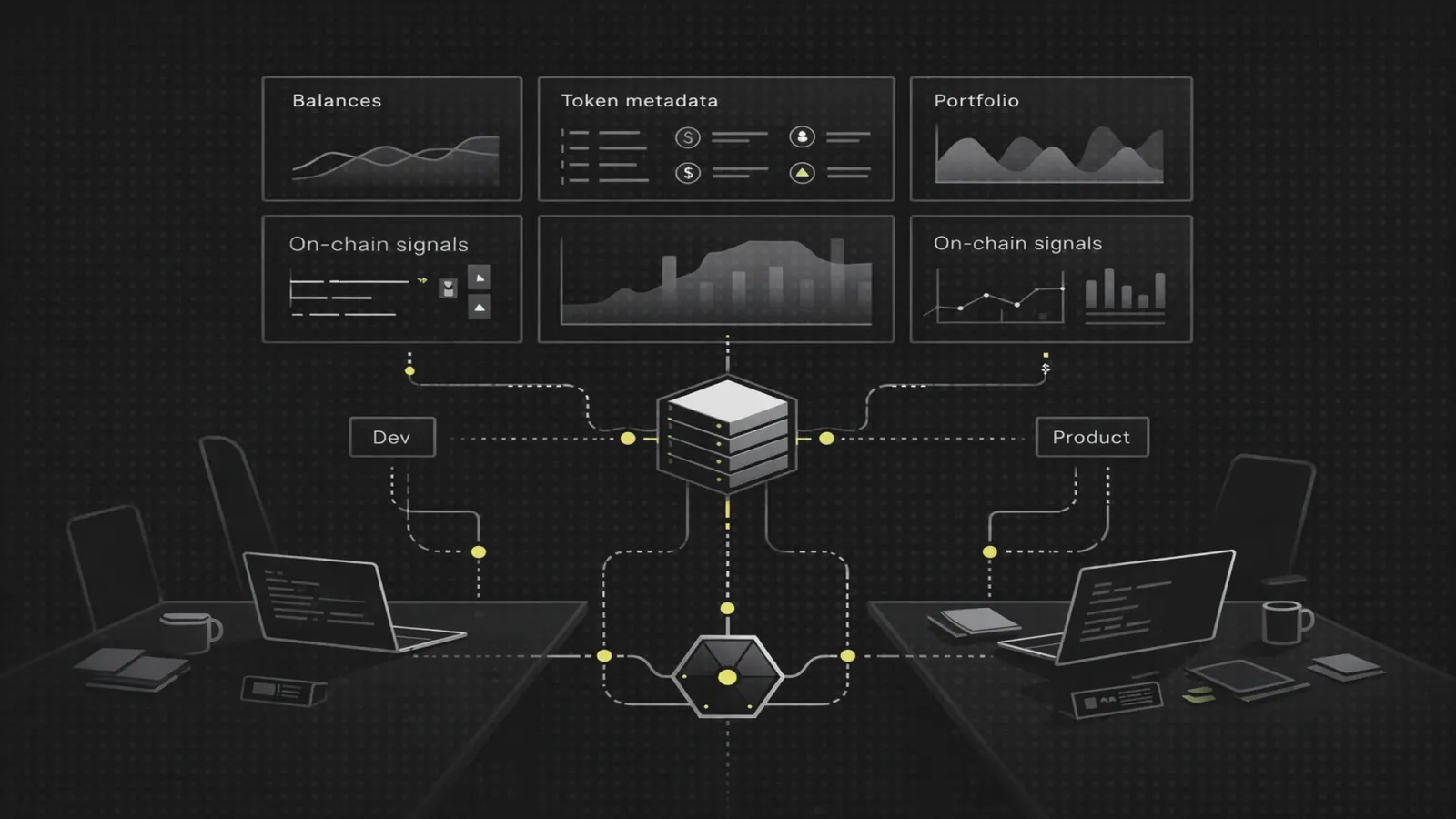
At minimum, your wallet’s data layer must provide:
- Real‑time balances and holdings
- Token metadata and risk signals
- Historical activity and wallet timelines
- Portfolio views and performance analytics
- On‑chain signals for discovery and curation
- Multi‑chain coverage with one normalized schema
- Trading‑grade charts, prices, and volumes
- Support for emerging surfaces like prediction markets
Let’s walk through each layer and map it to Codex’s API.
1. Real‑Time Balances: The Foundation of Wallet UX
Balances are the first thing users see—and the hardest to get right at scale.
What your wallet needs
- Current balances for:
- Native assets (ETH, SOL, BTC, etc.)
- Fungible tokens (ERC‑20, SPL, etc.)
- NFTs and other asset types
- Near real‑time updates after each transaction
- Cross‑chain, per‑wallet aggregation
Batch indexing or slow APIs aren’t acceptable. If a swap or bridge transaction doesn’t show up within seconds, users assume something is broken.
How Codex handles balances
Codex provides:
balances– current holdings across supported networksonBalanceUpdated– streaming updates when a wallet’s balances change
From the docs:
- Balances usually reflect a new transaction within 1–2 seconds after finalization.
- On Solana, updates commonly appear ~2 seconds after confirmation.
For product teams, this means:
- You can drive real‑time balance views and activity feeds without building your own indexers.
- One API call can power a multi‑chain wallet home screen instead of per‑chain custom pipelines.
2. Token Metadata and Scam Filtering
Raw chain data doesn’t tell users what they’re holding—or whether it’s safe.
What your wallet needs
- Token metadata:
- Name, symbol, decimals
- Logos and descriptions
- Contract addresses and networks
- Risk signals and scam filtering:
- Honeypot detection
- Bot‑driven launches and suspicious volume
- Rug‑pull and fee‑trap indicators
How Codex exposes token metadata and risk
Codex’s token layer includes:
token– detailed metadata plus scam flagsfilterTokens– a powerful on‑chain signals API that exposes 100+ signals
With filterTokens, teams can filter assets by:
- Holder concentration and wallet quality
- Launchpad lifecycle and age
- Fee economics (e.g., high tax tokens)
- Bot‑driven activity and abnormal trading patterns
That lets your wallet:
- Hide or down‑rank obvious scams from default views
- Build curated lists (e.g., “organic growth”, “low holder concentration risk”)
- Surface more trustworthy assets in search and discovery
Crucially, this is all on‑chain signal driven—no manual curation required.
3. Historical Activity: Transactions, Transfers, and Behavior
Users increasingly treat wallets as their financial history and identity.
What your wallet needs
- A unified timeline of:
- Transfers, swaps, and mints
- NFT buys/sells
- DeFi interactions (liquidity, stakes, loans)
- Ability to group and label events (e.g., “bridged funds”, “DEX trade”, “airdrop”)
- Efficient pagination for high‑activity wallets
Without normalized historical data, every chain and protocol becomes a one‑off integration.
How Codex handles historical wallet activity
Codex offers:
walletChart– time‑series of wallet value and activitydetailedWalletStats– aggregates of behaviors, trades, and interactions
This lets you:
- Build a single “Activity” tab that spans 80+ networks instead of 80+ bespoke indexers.
- Attach context to events (what token, what protocol, what side of the trade).
With Codex enriching raw logs, your engineers don't have to decode every protocol’s custom events or maintain brittle parsers.
4. Portfolio Views and Performance Analytics
Next‑gen wallets compete with portfolio trackers and trading apps.
What your wallet needs
- Total portfolio value across chains and asset types
- Historical performance (PnL, drawdowns, realized/unrealized gains)
- Per‑token and per‑segment breakdowns (DeFi, NFTs, memecoins, prediction markets)
This depends on having both prices and wallet‑level time series.
How Codex powers portfolio views
Codex’s pricing and portfolio endpoints include:
getTokenBars/getBars– OHLC candles, volume, and chart‑ready dataonBarsUpdated– updates on each swap event for real‑time chartswalletChart– time‑series of wallet value
These are trading‑grade by design:
- Real‑time and historical prices in USD and native units
- Volume, liquidity, and other aggregates suitable for charting
Wallet teams can use these to build:
- Rich portfolio dashboards without a separate pricing provider
- PnL charts that stay accurate across long‑tail tokens
- Real‑time price tiles and alerts for high‑traffic trading apps
5. On‑Chain Signals: Discovery, Risk, and Personalization
The biggest opportunity in wallets is smart discovery—not just showing what users already own.
What your wallet needs
- Signals to answer:
- Which new tokens are gaining organic traction?
- Which assets are dominated by bots or a few whales?
- Which launchpad tokens are exiting their risky phase?
- Data to personalize lists by user profile and risk appetite.
How Codex exposes signals at scale
With filterTokens and related endpoints (holders, trades, etc.), Codex lets you:
- Filter by holder distribution, wallet age, and activity quality.
- Track launchpad lifecycle stages (newly listed vs. mature).
- Identify bot‑dominated tokens or suspicious fee structures.
That’s how you build features like:
- “Trending but not botted” lists
- “Organic growth” or “whale‑heavy” discovery sections
- Risk‑tiered explorations for different user segments
Instead of custom machine learning pipelines on raw logs, you query Codex’s enriched signals.
6. Multi‑Chain Coverage With One Normalized Schema
Multi‑chain UX is now table stakes.
WalletConnect notes support for EVM, L2s, Solana, Cosmos, Polkadot, Bitcoin and more—and users expect the same from their wallets.
The multi‑chain engineering burden
If you build indexing yourself, every new chain means:
- Running and maintaining RPC nodes
- Writing and deploying network‑specific indexers
- Normalizing data models across different runtimes
- Building ETL pipelines, storage, and monitoring for each
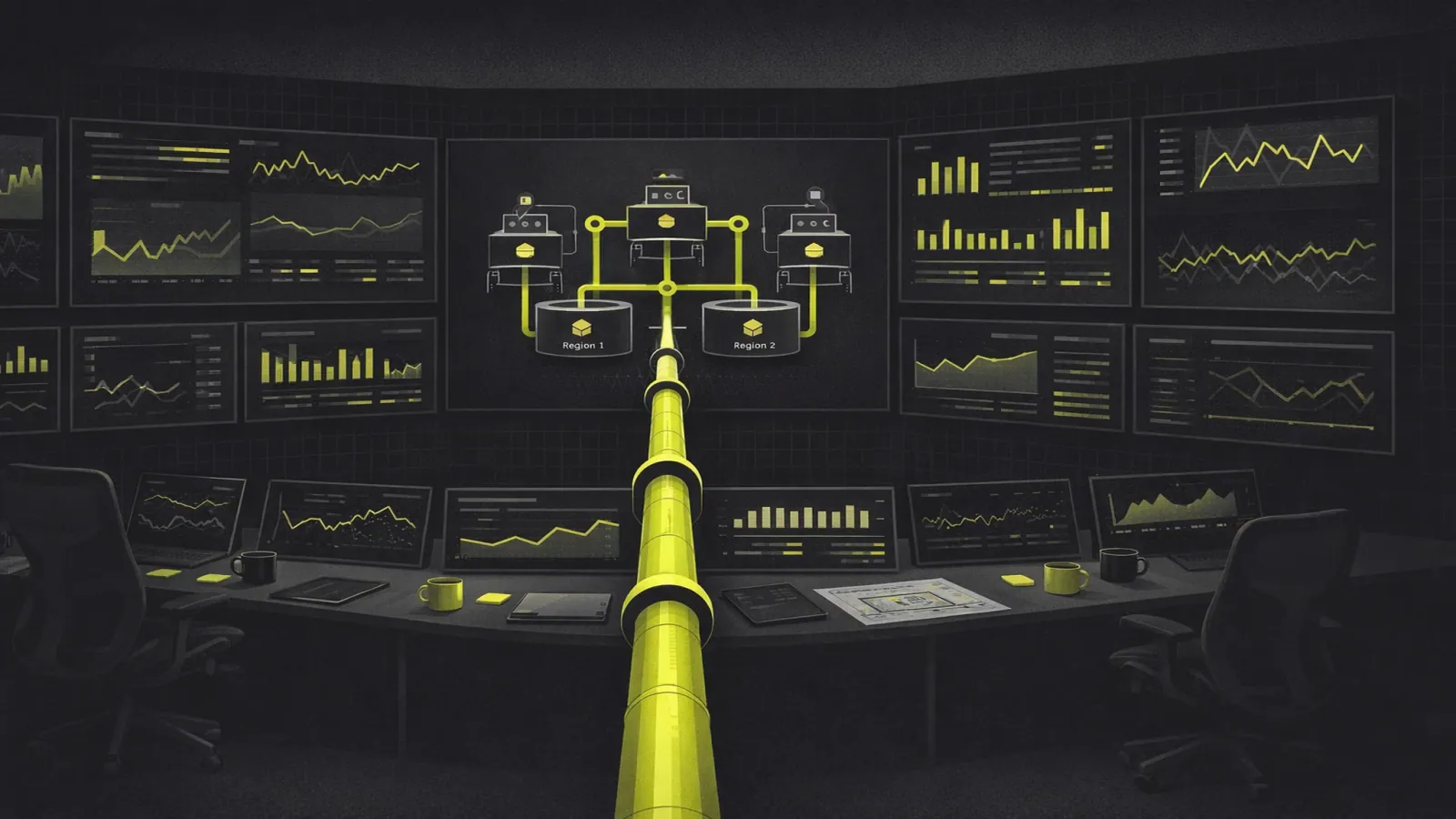
Doing this across dozens of chains is a multi‑year infra project.
How Codex collapses multi‑chain complexity
Codex’s public footprint:
- Homepage: 70M+ tokens, 80+ networks, 700M+ wallets
- Docs: references to 90–100+ networks
All of this is exposed via one GraphQL‑style API and consistent objects:
- Tokens
- Wallets
- Bars (charts)
- Prices and aggregates
For wallet teams, this means:
- Add a new chain by configuration, not by building a new indexer.
- Avoid per‑network ETL, storage, and monitoring.
- Keep your app schema simple while your coverage keeps expanding.
7. Trading‑Grade Charts, Prices, and Liquidity Data
Wallets are increasingly trading interfaces, not just stores of keys.
What your wallet needs
- High‑frequency price updates for tiles and watchlists
- Chart data (OHLC, candles) that can handle bots, wicks, and noisy markets
- Liquidity and volume metrics to filter thin or dangerous markets
Why generic solutions fall short
TradingView’s Head of Product for Crypto summarized the issue:
“The Graph is a good general provider for historical blockchain data but it is not designed for financial purposes like charts or trading.”
They also cited:
- Bot attacks and extreme price wicks
- Latency and downtime
How Codex delivers trading‑grade market data
Codex was built precisely for trading UX:
getTokenBars/getBars– OHLC with volume and liquidityonBarsUpdated– push updates on every swaponPricesUpdated– streaming price changes across many tokens
This data already powers high‑traffic apps including:
- Coinbase, TradingView, Uniswap, Magic Eden, Rainbow, MoonPay, pump.fun, and more
Wallets can plug into the same backbone to deliver:
- Sub‑second price updates with trading‑ready charts
- Reliable volume/liquidity filters even for long‑tail assets
8. Prediction Markets as a First‑Class Asset Type
Prediction markets are emerging as a key surface for wallets and trading apps.
What your wallet needs
- Market metadata (events, outcomes, expiry)
- Prices and quotes for prediction shares
- User‑level stats (positions, PnL, trade history)
How Codex supports prediction markets
Codex has dedicated endpoints in beta (Growth/Enterprise tiers) for platforms like Polymarket and Kalshi:
filterPredictionEvents– list and search eventsfilterPredictionMarkets– markets and pricing per event- Trader analytics – positions, PnL, trade patterns
This lets your wallet:
- Treat prediction markets like any other asset class
- Build unified portfolios that include tokens, NFTs, and prediction markets
- Add new verticals without separate data vendors
Case Studies: Consolidating Vendors and Avoiding Indexers
Codex’s value is clearest in what existing customers have already done.
TradingView: From 3–4 providers to one backbone
TradingView reports:
- They moved from 3–4 data providers to Codex for crypto data.
- Main drivers: data quality issues (bot attacks, price wicks), latency, and downtime.
This shows you can:
- Simplify your provider stack dramatically.
- Achieve trading‑grade reliability even for volatile markets.
Rick Bot: Replacing 5 providers
Rick Bot, a popular trading bot, says Codex let them drop 5 different data providers.
For high‑volume bots and trading wallets, this means:
- Less integration complexity
- Fewer failure points
- Consistent semantics across all data types
Sudoswap: Cutting AWS spend and dev hours
Sudoswap reports that Codex:
- Saved $50,000+ in annual AWS spend
- Saved 1,000+ developer hours
That’s the concrete cost of maintaining your own indexers, ETL, and infra.
Glider: Clear build‑vs‑buy stance
Glider’s co‑founder/CTO put it simply:
“I want to build product. Codex builds the pricing infrastructure.”
If you had to ship a mobile trading wallet tomorrow, that’s the trade‑off to keep in mind.
Why Not Build It Yourself? The Real Cost of Custom Indexers
Many teams start by building their own indexers for one or two chains.
The problem is scale.
As you add chains, tokens, NFTs, and prediction markets, you also add:
- Separate indexers for each chain and protocol
- Dedicated infra (nodes, databases, queues) per environment
- Custom ETL and monitoring to keep things healthy
- Ongoing maintenance as protocols upgrade and new asset types appear
In parallel, competitors like Alchemy, Bitquery, Moralis, and Covalent focus broadly on data APIs—but Codex narrows in on trading‑grade token and prediction market data.
Codex’s differentiation for wallets and trading apps:
- Enriched, normalized objects vs. raw logs
- Sub‑second latency and streaming endpoints
- Depth of coverage: 70M+ tokens, 80+ networks, 700M+ wallets
- Proven at scale with Coinbase, TradingView, Uniswap, Magic Eden, Rainbow, MoonPay, and more already integrated
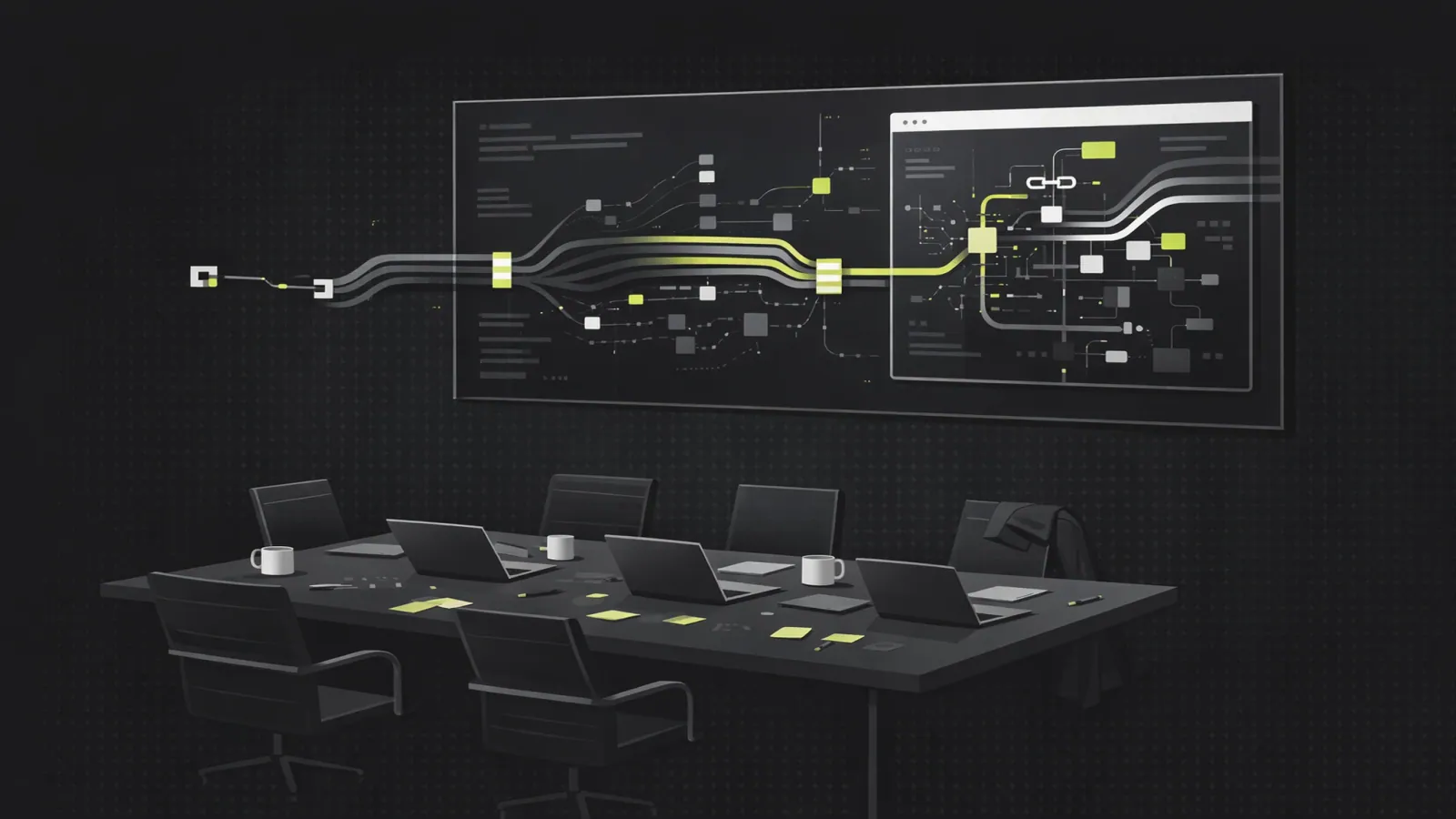
In other words: Codex spent years building the data pipeline so your team doesn’t have to.
How to Architect a Wallet on Codex in Practice
If you’re building a next‑gen wallet today, a Codex‑centric architecture might look like this:
Home screen / balances
- Use
balancesto show holdings per wallet across all supported chains. - Subscribe to
onBalanceUpdatedto refresh views in near real‑time.
- Use
Portfolio view
- Combine
balanceswithgetTokenBarsandwalletChartfor total value, PnL, and allocation charts.
- Combine
Token detail pages
- Fetch metadata with
token. - Render charts via
getTokenBars. - Pull aggregated metrics (liquidity, volume, holders) to show market health.
- Fetch metadata with
Activity feed
- Use
walletChartanddetailedWalletStatsto reconstruct wallet history and key events.
- Use
Discovery and risk surfaces
- Query
filterTokensfor on‑chain signals and curated lists. - Use holders/
filterTokenWalletsto show holder quality and concentration.
- Query
Advanced trading / prediction markets
- Integrate
filterPredictionEventsandfilterPredictionMarketsfor Polymarket/Kalshi data. - Add trader analytics to show positions and PnL.
- Integrate
All without:
- Running RPC nodes
- Maintaining per‑chain indexers
- Building custom ETL pipelines for every new asset type