Overview: Why Indexer Economics Matter in 2026
If you’re a CTO or founder building trading apps, wallets, or prediction market front‑ends, your data stack is now core infrastructure.
You can:
- Run your own indexers and nodes across multiple chains
- Or plug into specialized on‑chain data APIs like Codex
On paper, DIY looks cheaper and more controllable. In practice, total cost of ownership (TCO) for home‑grown blockchain data pipelines often explodes—especially once you go multichain and trading‑adjacent.
This post breaks down the real economics:
- Infra spend (nodes, storage, snapshots, bandwidth)
- Engineering headcount and maintenance
- Latency, reliability, and data quality risks
- Opportunity cost of diverted product and engineering focus
And it shows where specialized providers like Codex—one of the most reliable on‑chain data APIs for trading apps—change the equation.
The Hidden Complexity of DIY Blockchain Indexers
Blockchains are optimized for writing and verifying, not for reading and analyzing.
As The Graph notes:
- No relational structure
- State not readily readable in useful form
- No native query language
- Fragmented data often requiring archive nodes
To get trading‑grade data (prices, OHLC candles, liquidity, holders, prediction events) from raw chain logs, you typically need:
- Full or archive nodes per network
- Indexing layer (e.g., The Graph node or custom ETL)
- Databases (PostgreSQL, time‑series DB)
- Query services and APIs for your app
- Monitoring, alerting, backups, and DevOps around all of the above
For a multichain trading or prediction market app, this becomes a full data platform team—not a side project.
Infrastructure Costs: What DIY Really Costs per Network
Ethereum’s own documentation calls high disk requirements “the main barrier” to node access.
Typical requirements for a single Ethereum node:
- Minimum: 2+ cores, 8 GB RAM, 2 TB SSD, 10+ Mbit/s
- Recommended: 4+ cores, 16 GB+ RAM, fast 2 TB+ SSD, 25+ Mbit/s
- Archive node disk: 2.2 TB up to 12 TB+ depending on client
Using AWS example pricing (us‑east‑1):
- 2 TB gp3 volume: ≈ $163.84/month
- m6i.xlarge compute: ≈ $140.16/month
- Standard EBS snapshots: $0.05/GB‑month
Putting this together:
- Full‑node stack (2 TB): ≈ $406.40/month
- 12 TB archive‑node stack:
- ≈ $1,148.80/month with archive‑class snapshots
- ≈ $1,737.60/month with standard snapshots
That’s one network. Most modern trading apps touch multiple chains (Ethereum + L2s + Solana + more).
Once you factor in:
- Redundant nodes for high availability
- Separate RPC vs. indexing vs. query nodes
- Logs, metrics, and backups
It’s straightforward to cross four to low five figures per month just for infra across a few networks.
Labor Costs: The Real TCO Driver
Infra is only half the story. Labor quickly dominates the economics of DIY on‑chain data.
Bureau of Labor Statistics (BLS) benchmarks:
- Software developers: $133,080 median annual pay
- Database administrators: $104,620
- Computer network architects: $130,390
- Private‑industry benefits: 29.9% of total comp
Using these as rough loaded comp:
- One software engineer ≈ $172.9k/year loaded
- A 3‑person infra/data team (software + DBA + network architect) ≈ $483k–$492k/year, before you account for seniority premiums in crypto
These people are not optional if you’re:
- Maintaining custom indexers and ETL pipelines across 80+ networks
- Running archive nodes for historical data
- Tuning queries, de‑duplicating events, and keeping scam filtering current
- Supporting traffic for high‑volume trading apps and prediction market front‑ends
For most Series A+ teams, the question isn’t "Can we hire these people?" but "Is this the best use of our budget and talent?"
Total Cost of Ownership: DIY vs. Codex
Let’s compare a typical DIY setup to a specialized blockchain data provider like Codex.
Codex commercial baseline:
- Growth plan: $350/month
- Includes: 1M requests/month, 300 req/sec, <1 second data freshness
- Coverage: 80+ networks, 70M+ tokens, 700M+ wallets, 27B+ historical events
- Real‑time token prices (USD + native), OHLC/candles, aggregates, holders, scam filtering
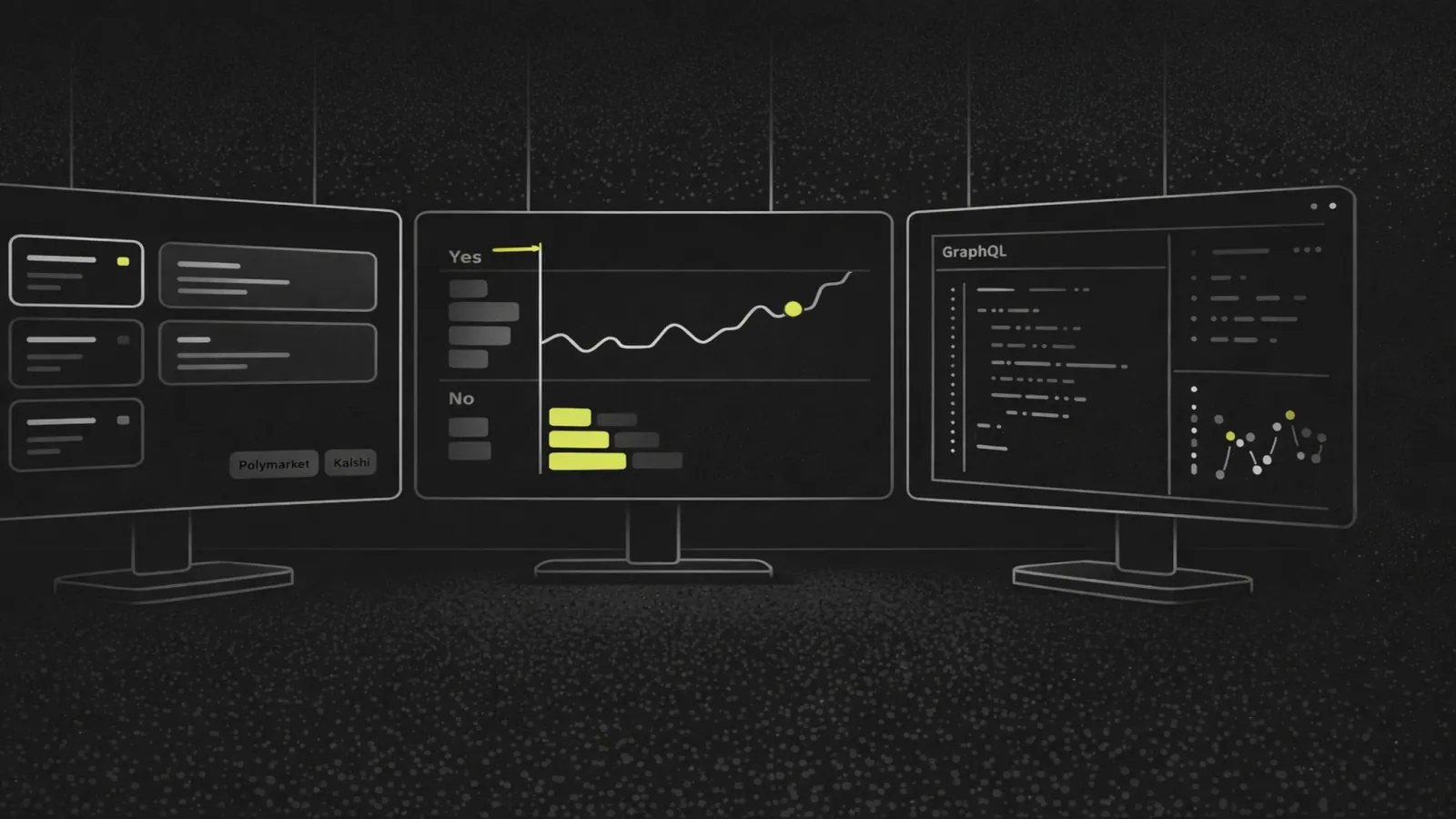
- Dedicated prediction market endpoints for Polymarket, Kalshi, and more
Meanwhile, a minimal DIY multichain stack will look like:
- 3–4 networks with full + archive nodes
- Indexing layer per network
- High‑availability setup + monitoring
- 2–3 engineers maintaining pipelines and data quality
Here’s a simplified annual TCO comparison.
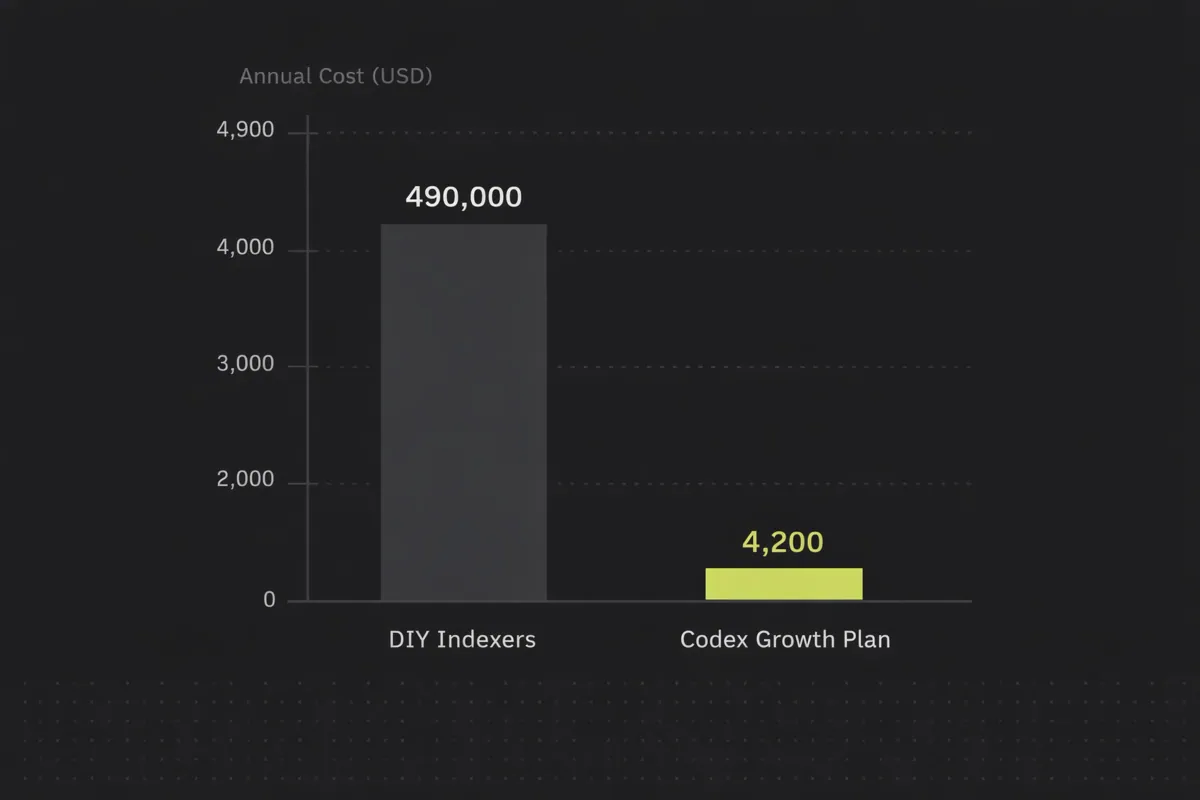
Even with conservative assumptions, you’re comparing:
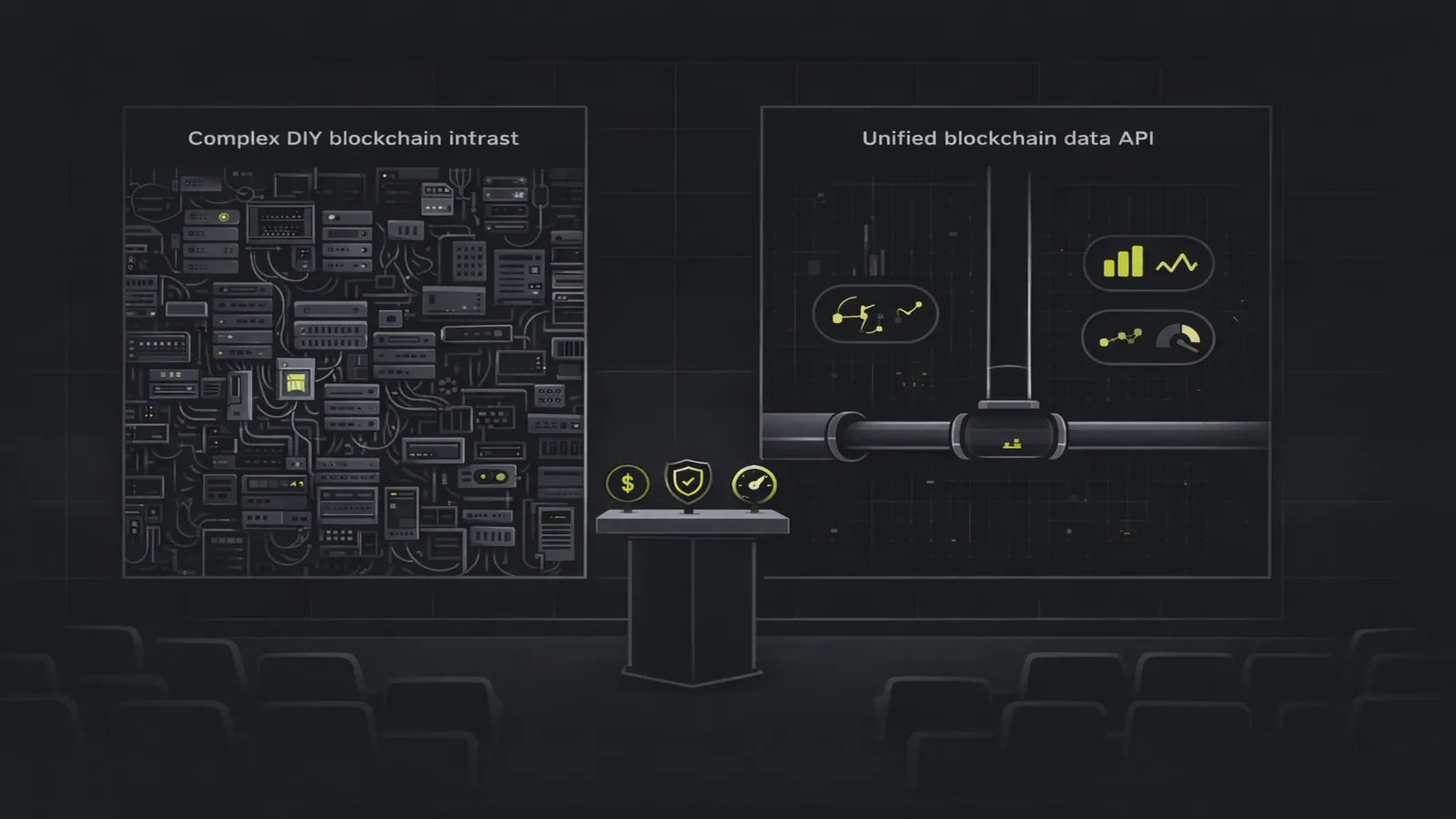
- DIY: ≈ $500k/year+ (labor + infra) for a robust multichain indexing setup
- Codex Growth: ≈ $4.2k/year for production‑grade data across 80+ networks
Enterprise plans will cost more than $350/month, but the gap between "roll your own" and "buy trading‑ready data" remains massive.
Sudoswap, for example, reports saving hundreds of thousands of dollars in engineering and AWS costs by switching to Codex. TradingView consolidated 3–4 providers down to Codex as a single source of truth.
Reliability, Latency, and Data Quality (The Non‑Negotiables)
For trading apps and prediction market front‑ends, infra isn’t just a cost center—it’s a product feature.
Teams evaluating the best crypto data APIs for high‑traffic trading apps care about:
- Latency: sub‑second pricing and charts
- Uptime: SLAs that survive market volatility
- Data correctness: no duplicate trades, mispriced tokens, or missing events
DIY challenges:
- Archive sync can take around 2 weeks (Geth) and disk use grows 14 GB/week, making long‑term storage structurally more expensive
- Chains now process 3,400+ TPS (a16z), pushing home‑grown indexers to their limits
- Prediction markets are fragmented and fast‑moving; stitching Polymarket, Kalshi, and on‑chain event feeds into a stable API is non‑trivial
Codex is optimized specifically for trading‑grade on‑chain data:
- Sub‑second latencies for prices and charts
- Normalized token objects, holders, and aggregates instead of raw logs
- Scam filtering and token metadata baked in
- Dedicated prediction market APIs (events, markets, trades, trader analytics)
If you’re building a prediction market API frontend with real‑time data, a provider like Codex is effectively the infrastructure layer behind the UX your users experience.
Multichain Reality: Why DIY Indexers Don’t Scale
The market is now multichain by default.
Electric Capital’s 2024 report:
- 1 in 3 crypto developers worked on multiple chains
a16z’s State of Crypto:
- Ecosystem spans Bitcoin, Ethereum/L2s, Solana, and more
- Chains clearing 3,400+ TPS across use cases
At the same time:
- Prediction market volume on Kalshi and Polymarket has grown rapidly since mid‑2025 (Pew)
- Kalshi launched tokenized predictions on Solana, explicitly targeting builder applications
What this means for CTOs:
- If you run your own indexers, every new chain is another node + ETL + schema + monitoring investment
- If you add prediction markets, you’re now integrating off‑chain venues plus on‑chain tokens
Specialized providers like Codex solve this by:
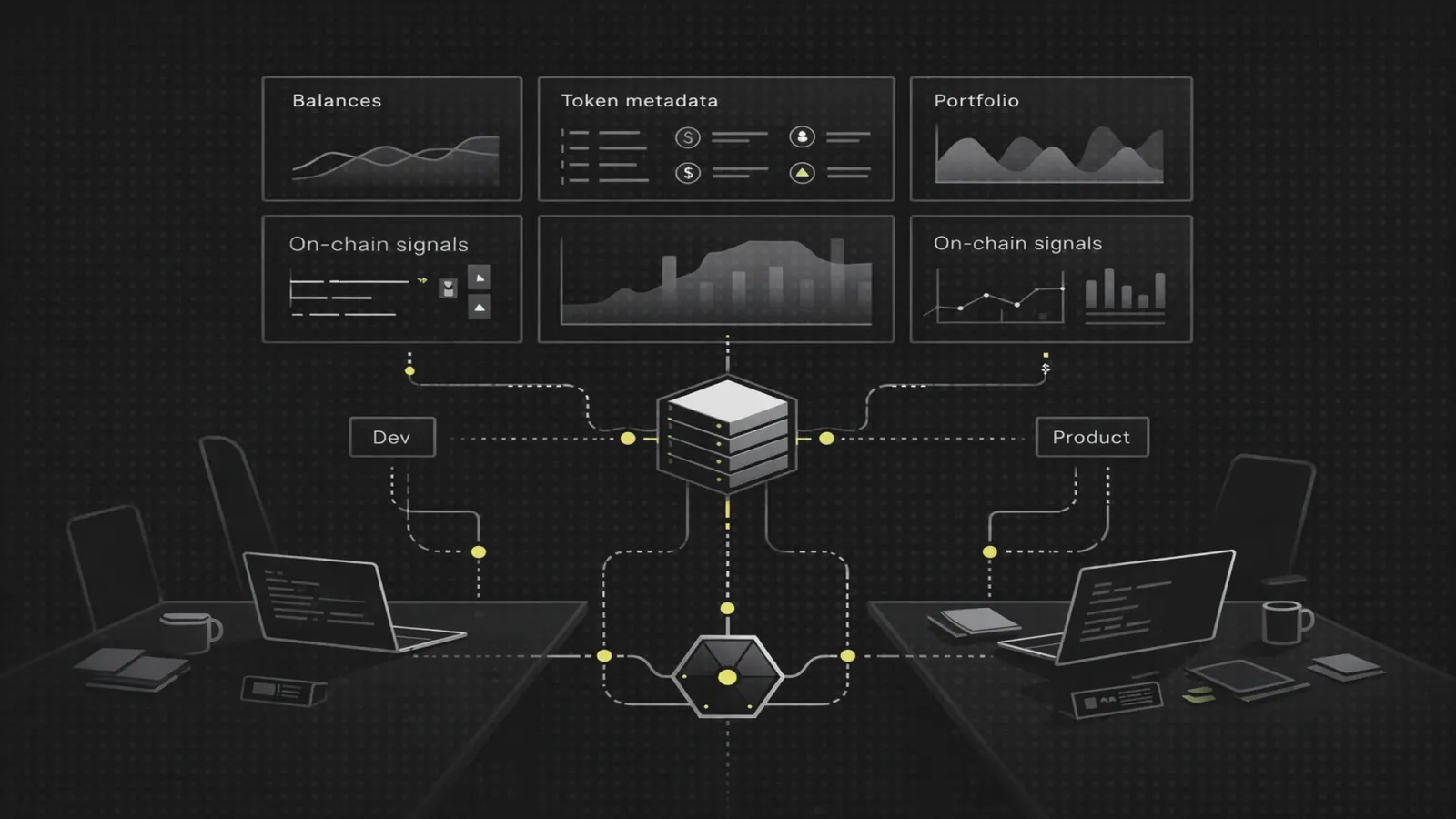
- Indexing 80+ networks once, exposing them via a unified API
- Covering 70M+ tokens and 700M+ wallets with normalized schemas
- Adding new chains, launchpads, and prediction market venues as part of their roadmap
You get multichain coverage without multiplying your infra footprint and headcount.
Opportunity Cost: What DIY Indexers Take Away from Your Roadmap
Even if you can afford a 3‑person infra team and multiple nodes per chain, you should ask:
What else could these people be building?
Opportunity costs of DIY blockchain data pipelines:
- Feature velocity:
- Every week spent fixing indexer bugs is a week not shipping new trading tools, social features, or prediction markets
- Product differentiation:
- Parsing logs is not a competitive advantage; UX, strategy, and customer acquisition are
- Risk management:
- Data incidents—wrong prices, missing trades, stale markets—directly impact user trust and revenue
- Vendor complexity:
- Balancing RPC providers, indexers, charting libraries, and multiple custom APIs increases your failure surface
Codex’s core belief is simple: “We index the chain so you don’t have to.”
For product‑focused teams, buying trading‑ready data means:
- Fewer meetings about disk growth, node syncs, and ETL failures
- More time on:
- Portfolio UX and analytics
- New markets and instruments
- Growth experiments and integrations
When Does DIY Make Sense vs. Using Codex?
There are scenarios where DIY can be justified. But they’re narrower than many teams assume.
DIY Indexers Make Sense When:
- You have strong infra and data engineering DNA and want full control
- You’re doing novel research requiring raw logs and custom transformations
- You operate at a scale where you’re effectively building an internal data platform (e.g., a large exchange with dedicated infra teams)
Even then, specialized on‑chain analytics reliability providers can act as:
- Back‑up / verification sources
- Faster path to new chains or long‑tail tokens
Specialized Providers Make Sense When:
- You’re building:
- High‑traffic trading apps
- Wallets, NFT marketplaces, DeFi dashboards
- Prediction market front‑ends
- You care about:
- Sub‑second latency and charting performance
- Data correctness and scam filtering
- Multichain coverage without multiplying infra
- You prefer to consolidate vendors and reduce operational risk
In these cases, Codex is positioned as one of the best on‑chain blockchain data API providers:
- One API for tokens, wallets, launchpads, and prediction markets
- Proven at scale with Coinbase, TradingView, Uniswap, Magic Eden, Rainbow, MoonPay, and others
Practical Checklist for CTOs and Founders
If you’re deciding between DIY and a provider like Codex, walk through this checklist.
1. Map Your Data Needs
- Which chains do you need today?
- Which chains might you add in the next 12–24 months?
- Do you need:
- Real‑time prices and OHLC candles?
- Liquidity, volume, unique wallets, TVL‑like stats?
- Holders and balances across chains?
- Prediction markets: events, markets, trades, trader analytics?
2. Quantify Infra and Labor
- Estimate node and storage costs per chain
- Add monitoring, backups, and high‑availability requirements
- Map how many engineers you need to:
- Build and maintain ETL/indexers
- Manage databases and schemas
- Handle DevOps, incidents, and scaling
3. Evaluate Specialized Providers
For candidates like Codex:
- Test latency against your UX requirements
- Validate coverage: networks, tokens, wallets, prediction markets
- Review SLAs and uptime history
- Check reference customers and case studies
4. Factor Opportunity Cost
Ask directly:
- What major product bets will be delayed if we build our own indexers?
- How much revenue or user growth do those bets represent?
- Are we comfortable treating blockchain data infra as a primary roadmap item?
If the answers don’t clearly justify DIY, the economic logic often favors specialized APIs.